
Halloween Sweets Without the Fillings: A York Parent’s Guide
Key Takeaways
- When your child eats sweets matters more than how many: NHS guidance is to keep sugary food and drinks to mealtimes. A pile of sweets eaten after tea does far less harm than the same amount grazed on all evening.
- Sticky, chewy and hard sweets cause the most trouble. Toffee, chewy sweets and lollies cling to teeth or dissolve slowly, while plain chocolate melts and clears from the mouth quickly.
- Bedtime brushing is non-negotiable on Halloween night. Use the right strength fluoride toothpaste for your child’s age, brush last thing, and teach them to spit rather than rinse.
- The real risk is the fortnight after, not the night itself. Having a plan for the leftover sweets before you head out stops a bag of treats turning into weeks of snacking.
- Prevention at the dentist adds another layer. Fluoride varnish and fissure sealants give children’s teeth extra protection, and regular check-ups pick up early problems before they need a filling.
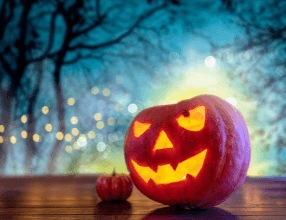
On 31 October, York does Halloween properly. Pumpkins appear on doorsteps from Acomb to Bishopthorpe Road, ghost walks fill the Shambles, and by eight o’clock most children have a bag of sweets that would make any dentist wince. None of that needs to be a problem. Halloween is meant to be fun, and banning sweets altogether rarely works anyway. What makes the difference to your child’s teeth is a bit of planning: when the sweets are eaten, which ones they choose, and what happens at bedtime.
This guide walks you through exactly that, from the treats that do the most damage to what to do with the bag that is still sitting on the kitchen side in mid-November.
Why Halloween Sweets Are Hard on Children’s Teeth
It helps to know what is actually going on in your child’s mouth when they eat sweets. Once you understand the process, the advice that follows makes a lot more sense.
- Sugar feeds the bacteria in plaque. Every mouth has bacteria living in a thin film called plaque. When your child eats sugar, those bacteria feed on it and produce acid as a by-product. That acid is what softens tooth enamel and, over time, causes decay.
- Every sugary snack starts a new acid attack. Saliva gradually neutralises the acid and helps the enamel recover, but that takes time. If sweets keep arriving every few minutes, the mouth never gets the chance to recover.
- Baby teeth are more vulnerable. Enamel on baby teeth is thinner than on adult teeth, so decay can spread through it more quickly. That is why a cavity in a young child can go from tiny to troublesome faster than many parents expect.
- Frequency matters more than quantity. This is the single most useful thing to remember. Ten sweets eaten in one go after a meal cause one acid attack. Ten sweets eaten one at a time across an evening cause ten. NHS advice for children is consistent on this point: keep sugary foods and drinks to mealtimes.
The Worst and Best Halloween Treats for Teeth
Not all sweets are equal. If your child is going to have some, steering them towards the gentler options makes a real difference.
The ones to limit
- Toffee, fudge and caramel. These stick in the grooves of back teeth and between teeth, so the sugar sits there long after the sweet has gone. Toffee can also pull out fillings and loosen brackets on braces.
- Chewy and jelly sweets. Gummy sweets, chewy bars and fruit chews behave in a similar way, clinging to tooth surfaces for a long time.
- Lollies and boiled sweets. A lolly sucked for twenty minutes bathes the teeth in sugar for twenty minutes. Biting down on hard sweets can also crack or chip teeth.
- Sour sweets. These are a double hit. They are coated in acid to give them their tang, on top of the sugar inside, so they wear at enamel from two directions.
- Fizzy drinks and squash. Easy to forget on a busy night. Even sugar-free fizzy drinks are acidic and can damage enamel.
The better choices
- Plain chocolate. Milk or dark chocolate without caramel or toffee fillings melts quickly and clears from the mouth faster than most sweets. It still contains sugar, so it still belongs at mealtimes, but it is the kinder option.
- Small, single-serving treats. Fun-size bars eaten in one go are easier to manage than a big bag of loose sweets that can be dipped into all evening.
- Water or milk to drink. These are the safest drinks for teeth between meals and help rinse food away.
If you are handing out treats at your door
You can do your neighbours’ children a favour too. Stickers, glow sticks, Halloween pencils and mini bubble pots go down surprisingly well, and they are a good option for children with allergies as well. If you would rather give sweets, small chocolate bars are a better pick than lollies or chewy sweets.
A Simple Plan for Halloween Night
A little structure on the night itself keeps things fun without leaving your child’s teeth exposed to sugar for hours on end.
- Feed them properly before they go out. Children who head out trick-or-treating hungry tend to start eating sweets on the doorstep. A proper tea first takes the edge off.
- Agree a sweet time. Let them choose a handful of favourites to eat in one sitting, ideally straight after their meal. Then the rest goes away for the night. Children cope with rules far better when they know them in advance.
- Keep sweets out of the bedroom. A trick-or-treat bucket by the bed is an open invitation for late-night snacking after teeth have been brushed.
- Offer water, not fizzy drinks. Squash and fizzy drinks add more sugar and acid to an evening that already has plenty.
- Brush last thing at night, and nothing sugary afterwards. This is the most important step of all. Brushing before bed means fluoride stays on the teeth overnight while saliva flow drops. If your child has had sour sweets or fizzy drinks, try to plan sweet time earlier in the evening so there is a gap before brushing, as brushing straight after something acidic can be harder on softened enamel.
What to Do With All the Leftover Sweets
For most families, the real dental risk is not Halloween night. It is the two or three weeks afterwards, when the bag sits on the side and sweets become an all-day snack. A plan for the leftovers is where you protect your child’s teeth most.
- Try a sweet swap. Let your child trade their bag for something they would really like: a book, a small toy, or a trip out somewhere in York. Plenty of children are happy to swap once they have had their pick of favourites.
- Ration them to mealtimes. Bag up a few sweets per portion and offer one after Sunday lunch or tea through November. Your child still gets their treats, just at the time of day when they do the least harm.
- Freeze the chocolate. Chocolate freezes well and can be chopped into biscuits or brownies later on, which turns it into a planned treat rather than a constant one.
- Keep it out of sight. Sweets that are visible get eaten. A high cupboard works wonders.
- Avoid using sweets as rewards. NHS advice is to use stickers rather than sweets as rewards. It is a habit worth building long after Halloween is over.
Brushing After a Sweet-Heavy Night: Getting It Right
Good brushing will not undo every effect of a big night of sweets, but it is your child’s best everyday defence against decay. These are the basics, based on current NHS guidance for children.
- Use the right toothpaste strength. Children under three should use a smear of toothpaste containing at least 1,000ppm fluoride. From age three, use a pea-sized amount of toothpaste with 1,350 to 1,500ppm fluoride. The fluoride level is printed on the tube or box.
- Brush twice a day for two minutes. Last thing at night and on one other occasion during the day.
- Spit, don’t rinse. Encourage your child to spit out the toothpaste and not rinse with water afterwards. Rinsing washes away the fluoride that keeps protecting the teeth after brushing.
- Help them until around age seven. Younger children do not yet have the coordination to clean every surface, especially the back teeth where sticky sweets tend to collect.
- Make it a routine, not a battle. Brushing together, using a timer or song, or letting them choose their own toothbrush all help. Our Toothbrush Academy is designed to make learning to look after new teeth something children enjoy.
Halloween and Children’s Teeth: Going Deeper
Children With Braces or Aligners
If your child is having orthodontic treatment, Halloween needs a little extra care. With fixed braces, toffee, chewy sweets and hard sweets can bend wires or knock brackets loose, which may mean an extra appointment. Stick to chocolate without sticky fillings. With clear aligners such as Invisalign for teens, aligners must come out before eating anything, and teeth should be brushed before they go back in. Otherwise sugar gets trapped against the teeth under the plastic for hours.
Dental Knocks and Breaks on Halloween
Long costumes, dark pavements and over-excited children are a recipe for trips and falls, and bobbing for apples has caused more than one chipped front tooth. If your child chips or breaks a tooth, keep any fragment, rinse their mouth gently with water and call the practice. If an adult tooth is knocked out completely, pick it up by the crown (the white part, not the root), keep it in milk and get to a dentist as quickly as possible. A knocked-out baby tooth should not be pushed back in, but your child should still be seen. Our emergency dental treatment page explains how to reach us.
Common Myths About Sweets and Children’s Teeth
“Baby teeth fall out anyway, so decay doesn’t matter.” Baby teeth hold space for adult teeth, help children chew and speak properly, and some stay in place until around age twelve. Decay in baby teeth can cause pain and infection, and losing them early can affect how adult teeth come through.
“Sugar-free sweets are fine to eat all night.” Sugar-free sweets are better than sugary ones, but some are still acidic, and sugar-free fizzy drinks can still damage teeth. They are a better choice, not a free pass.
“One night of sweets will ruin their teeth.” It won’t. A single evening of treats, finished with a good brush, is not what causes fillings. Weeks of regular snacking is. That is why the leftovers plan matters more than anything you do on the night.
How Blossom Dental Care Protects Children’s Teeth All Year Round
Halloween is just one evening. The protection that really counts happens over months and years, and that is where regular visits come in. Blossom is a family practice at 25 Blossom Street, and we were proud to win Best Health Care Provider at the Little Vikings York For Kids Awards 2025.
- Fluoride varnish. A quick, painless coating of concentrated fluoride painted onto the teeth at check-ups. NHS guidance recommends it for children aged three and over, usually at least twice a year. Find out more on our fluoride varnish page.
- Fissure sealants. A thin protective coating over the grooves of the back teeth, exactly where sticky sweets love to hide. Our dental sealant page explains who they suit.
- Regular check-ups. Seeing your child regularly means we can spot the early signs of decay, often before your child feels anything, and treat it simply.
- Support for nervous children. Some children find the dentist daunting. Our team takes time to build their confidence, and inhalation sedation is available where it is appropriate.
If your child hasn’t had a check-up for a while, the weeks after Halloween are a good time to book one. You can find out what to expect on our Your Child’s First Visit page, or ask our team about membership plans that spread the cost of routine care for the family.
Frequently Asked Questions
Is it better for my child to eat all their Halloween sweets at once?
Within reason, yes, as long as “at once” means one sitting after a meal rather than a whole bag in one go. Eating a portion of sweets in one sitting causes one acid attack. Spreading the same sweets across the day causes several. The best approach is a handful after tea on Halloween night, then small portions at mealtimes over the following weeks.
Which Halloween sweets are worst for teeth?
Sticky and chewy sweets such as toffee, fudge, caramel and gummy sweets are the worst, because they cling to teeth for a long time. Lollies and boiled sweets are also hard on teeth because they dissolve slowly, and sour sweets add acid on top of sugar. Plain chocolate is generally the kinder choice.
How much toothpaste should my child use?
Children under three should use a smear of toothpaste with at least 1,000ppm fluoride. Children aged three and over should use a pea-sized amount of toothpaste with 1,350 to 1,500ppm fluoride. Check the fluoride level on the tube, and remind your child to spit out afterwards rather than rinsing.
Should my child brush straight after eating sweets?
The most important brush is the one last thing at night, after the sweets are finished. If your child has had sour sweets or fizzy drinks, it is better to leave a gap before brushing, as acid softens enamel for a while afterwards. Planning sweet time earlier in the evening makes that easier.
Are sugar-free sweets safe for children’s teeth?
They are a better option than sugary sweets, but they are not completely harmless. Some sugar-free sweets and drinks are acidic, and acid can wear away enamel even without sugar. Treat them as a better choice rather than something to snack on all day.
My child chipped a tooth on a hard sweet. What should I do?
Rinse their mouth gently with water, keep any piece of tooth you can find and call the practice on 01904 654889. Even a small chip is worth having checked, as it can leave a sharp edge or expose the inner layer of the tooth. If your child is in pain or the tooth has been knocked out, contact us as soon as possible.
How often should my child see the dentist?
It depends on your child’s risk of decay. National guidance suggests children are seen anywhere from every three months to once a year, depending on how healthy their teeth are. Your dentist will recommend the right interval at your child’s check-up.
Does fluoride varnish really help?
Yes. Fluoride varnish strengthens enamel and makes it more resistant to the acid that causes decay. NHS guidance recommends it for children aged three and over, usually at least twice a year, and more often for children at higher risk of decay. It takes a couple of minutes and doesn’t hurt.
This article is intended as general guidance only and does not constitute professional medical or dental advice. Every child’s situation is different, and the information here may not apply to your individual circumstances. If you have any concerns about your child’s teeth, please speak to a qualified, GDC-registered dental professional who can assess their individual needs. To book a check-up for your child, get in touch with Blossom Dental Care at 25 Blossom Street, York, YO24 1AQ, or call 01904 654889.




 2 dental health examinations per year