


Do You Have to Wear a Retainer Forever After Invisalign?
Key Takeaways
- The short, honest answer is yes, but it gets much easier over time. Most patients wear a retainer full-time for the first three to six months, then night-time only indefinitely. After the first year, some clinicians reduce this to a few nights per week.
- Teeth will shift without a retainer. Right after Invisalign, teeth are at their most unstable, and shifting can start within days if retainer wear is skipped. This is not a scare tactic. It is simply how human teeth behave.
- The British Orthodontic Society recommends lifelong retention for most patients. The BOS launched its “Hold that Smile” campaign specifically to promote lifelong retainer wear , and there is now general consensus among dental professionals that orthodontic patients should wear their retainers life-long.
- You have a real choice of retainer type. Clear removable retainers such as Vivera, fixed bonded wire retainers, or a combination of both are all options, each with different cost, maintenance, and lifestyle considerations. UK pricing for a removable set runs from around £125 to £200 per set, while a fixed bonded retainer typically costs £100 to £400 per arch.
- Night-time retainer wear is far less demanding than it sounds. Retention is simple, low-effort, and far less demanding than treatment itself: a few minutes a night against the months spent in aligners. Understanding the full schedule removes most of the hesitation patients feel before committing to Invisalign.
Yes, you do need to wear a retainer long-term after Invisalign. The commitment does reduce considerably over time though: what starts as near-full-time wear in the first few months settles into nightly wear, and for many patients eventually just a few nights per week. The word “forever” sounds daunting, but the practical reality is a few seconds of slipping something in before sleep.
The Retention Schedule: What Each Phase Actually Looks Like
Retention after Invisalign follows a fairly predictable pattern, though your clinician will tailor the exact timings to your case. Here is how it typically unfolds from the day you remove your final aligner tray.
- Immediately after treatment (day one). You should begin wearing your retainer immediately after your last Invisalign tray. Most dental providers fit the retainer before your final treatment appointment ends. There is no gap between active treatment and retention. The two phases run straight into each other.
- Months one to six: full-time wear. Most clinicians recommend full-time removable retainer wear of typically 20 to 22 hours per day for the first three to six months. This means wearing it during the day and night, only removing it to eat, drink anything other than water, or clean your teeth. This initial period is crucial, as it allows the bone and gums to stabilise around your new tooth positions. If this sounds exactly like wearing your Invisalign aligners, that is because it is. You are essentially extending the same routine a little longer.
- Months six to twelve: night-time only. Once your dentist confirms your teeth are stable, you can transition to wearing your retainer only at night. For most patients this is the point where retention genuinely stops feeling like a burden. You put it in when you brush your teeth before bed. That is it.
- Year one to two: nightly wear continues. According to guidance from Nottingham University Hospitals NHS Trust’s orthodontics information, many NHS trusts recommend wearing retainers every night for the first year after treatment, and then on alternating nights as a long-term maintenance strategy. Your clinician will assess your individual stability at check-ups and advise on whether this can be reduced.
- Year two onwards: ongoing part-time wear. After the first year, some patients can transition to wearing their retainer a few nights a week. However, lifelong night-time wear is generally encouraged to keep the smile in place. Over time, your clinician may adjust how often you need to wear it based on your progress.
- Fixed retainers: continuous, no effort required. If you opt for a bonded wire retainer fixed to the back of your teeth, the wear schedule question disappears entirely. Fixed retainers are bonded to the back of your teeth to provide constant support and are worn all day and night without removal. The trade-off is that cleaning around them requires a little more attention.
It is worth noting that this schedule does have some variation between practices. The core principle, however, is consistent: the further you get from the end of active treatment, the less demanding the retention requirement becomes.
Why Teeth Move at All (and Why a Retainer Stops Them)
This is the question behind the question. Patients sometimes assume that once teeth have been straightened, they are set in place. They are not, and understanding why makes the retention commitment feel a lot more logical.
Once the active aligner pressure is removed, the periodontal ligaments (the fibrous connective tissue anchoring each tooth in its socket) remain in an unstable state. They retain a biological memory of the pre-treatment position and will attempt to pull the teeth back if unsupported. This is not a quirk of Invisalign. It happens after traditional braces too, and it is simply how human dentition works. This is not a flaw in orthodontic treatment; it is simply how human dentition behaves.
The jaw bone stabilises in around 12 months, but periodontal ligament memory can last a lifetime. That is why the commitment to some level of retainer wear does not have a neat end date. Beyond the immediate settling period, teeth also continue to shift naturally with age regardless of whether you have ever had orthodontic treatment. Natural ageing, changing bite pressure, and the forces of everyday speaking and chewing all apply gentle pressure over time. A retainer worn a few nights per week is simply enough to counteract those forces before they accumulate into something visible.
Research shows that without retention, teeth tend to return to their original position, a condition called relapse, and studies have found that most changes occur within the first year, mainly caused by the “memory” of fibres. Classic research on relapse followed patients who only wore retainers for one or two years and found that 10 years later, 70% of those patients needed re-treatment. That figure puts the minor inconvenience of a nightly retainer into perspective quite sharply.
Retainer Types and What They Cost in the UK
Choosing the right retainer involves weighing up your lifestyle, your compliance honestly (not everyone is good at remembering things at bedtime), and your budget. There are three main options available after Invisalign in the UK.
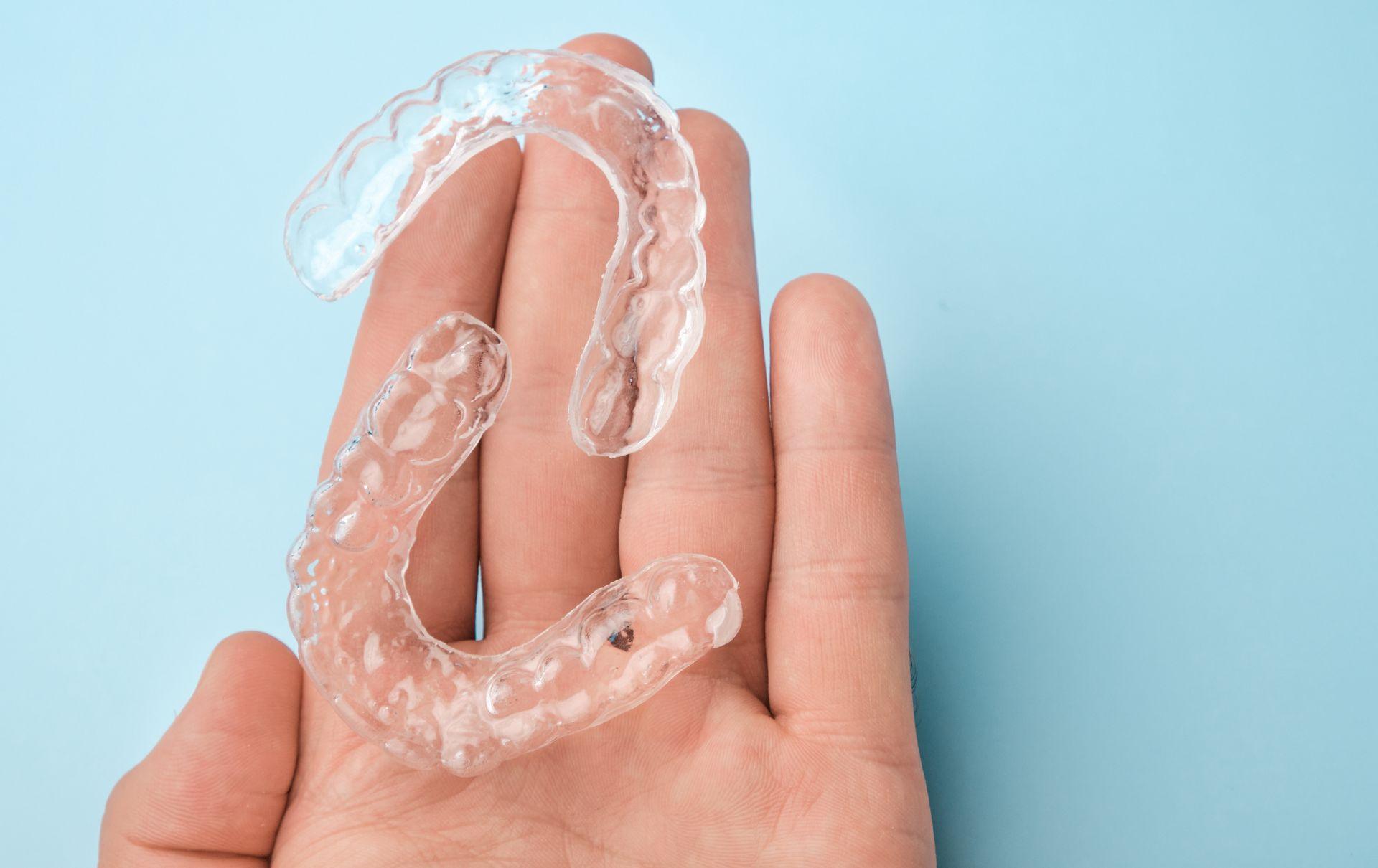
Vivera clear retainers. These are made by Align Technology, the same company behind Invisalign, using the same digital scanning process. They are known for their exceptional strength and durability, being 30% stronger and twice as durable as other leading clear retainers. They look almost identical to your Invisalign aligners, so the transition is seamless. Each initial order typically comes with four sets of retainers, ensuring patients are adequately equipped with backups even if one is lost or damaged. In the UK, a Vivera retainer costs between £125 and £200 per set, or in some cases you can get three sets for an average of £400. Some practices include the first set within the overall Invisalign package price, so it is worth clarifying this before you start treatment.
Essix (clear vacuum-formed) retainers. These are a more generic equivalent of the Vivera style, also clear and removable, but produced without the Invisalign proprietary material. An Essix retainer typically costs £60 to £145 per single retainer and may need replacing more frequently. They work on the same principle as Vivera retainers and are a practical option if cost is a key factor.
Fixed (bonded) retainers. A thin wire is bonded to the back surface of your teeth, typically the lower front six. You cannot see it, you do not have to remember to wear it, and it works continuously. Fixed retainers cost between £100 and £400 for one arch. If you need one for both upper and lower teeth, this could mean up to £800 in total. However, some dentists include the cost of bonded retainers in your overall treatment package, so you may not need to pay for your first set. The main consideration with fixed retainers is oral hygiene. You will need to use floss threaders or interdental brushes to clean around the wire properly. One long-term study following bonded retainers for 10 to 15 years found that 98.9% of lower and 97.6% of upper bonded retainers were still in place. That is impressive durability.
Combination approach. Some patients have both a fixed and a removable retainer for added protection against relapse. A bonded wire on the lower teeth (where crowding most commonly returns) combined with a Vivera tray worn at night for the upper arch is a popular approach that covers both compliance and long-term security.
Common Myths About Retainers After Invisalign
Several misconceptions circulate about post-Invisalign retention, and a few of them cause real problems for patients who base decisions on them. Here are the ones worth addressing directly.
Myth: “Six months of wear is enough, then you’re done”
This one is genuinely persistent, and understandable given that six months is when many patients transition from full-time to night-time wear and feel as though they have graduated. One common myth says six months of wear is plenty. In truth, teeth keep moving throughout life, especially near the gum line, so nightly wear remains sensible indefinitely. The six-month milestone is real, but it marks a reduction in how often you wear your retainer, not an endpoint. Some patients are undergoing orthodontic treatment for a second time precisely because they were told, or assumed, that retainers were only needed for a couple of years. You will need to wear your retainers indefinitely to keep your teeth straight.
Myth: “If my retainer still fits, my teeth haven’t moved”
A retainer that still sits in place does not necessarily mean your teeth are exactly where they were at the end of treatment. Small, incremental movements can occur without changing the fit enough to notice. Skipping retainer wear allows teeth to move gradually. At first the change may feel minor. Over time, spacing or crowding can return. The earlier you notice anything and resume consistent wear, the easier it is to address. Early shifting (days to weeks) may be reversible if you resume consistent retainer wear right away.
Myth: “A fixed wire retainer means I don’t need anything else”
Fixed bonded retainers are excellent and highly reliable for the teeth they cover. The catch is that they only secure the specific teeth they are attached to, typically the six lower front teeth. A bonded wire secures only the front teeth, while back teeth can still drift without a removable tray. Relying entirely on a fixed wire without any removable element leaves the back teeth unprotected. For most patients, combining the two is the safer long-term strategy.
Myth: “Retainers are uncomfortable and noticeable”
Clear Vivera retainers are made from the same type of material as your Invisalign aligners, so if you comfortably wore your aligners for several months, a retainer is no different. They are virtually invisible when worn. Vivera retainers are thin, virtually invisible, and comfortable. The night-time schedule also means no one sees them at all. After a week or two, most patients report that they simply stop noticing them.
How to Look After Your Retainer (and Make It Last Longer)
Retainer longevity depends almost entirely on how you clean and store it. Clear plastic retainers such as Vivera retainers may last from 6 to 12 months or longer with proper care, although individual results may vary. That lifespan can be extended considerably with a consistent routine. Here is what that looks like in practice.
Daily cleaning is the foundation. Brush the retainer gently morning and night with a soft toothbrush and a small amount of clear, mild soap. Do not use toothpaste. Toothpaste is abrasive. It dulls the clear plastic and leaves micro-scratches where bacteria and stain collect. Just lukewarm (never hot) water and a soft brush does most of the work.
For a deeper clean, soak the retainer for 15 minutes in Invisalign cleaning crystals or a specialist retainer cleaning solution once a week. Retainer Brite tablets are widely available online and in pharmacies and are a practical choice. Avoid soaking in mouthwash, as dyes and alcohol can tint and degrade the plastic.
Heat is the biggest practical threat to a clear retainer. Never rinse or soak in hot water, and never run them through the dishwasher. Heat permanently warps the fit. Similarly, do not leave them in a hot car or in direct sunlight. A warped retainer will not seat properly and will not retain your teeth effectively.
Storage matters too. Always store your Vivera retainers in the protective case provided. This not only keeps them safe from physical damage but also prevents them from getting lost. Retainers wrapped in tissue or left on a bedside table are the ones that get thrown away accidentally or chewed by a family pet. Always in the case, every time. Consistent cleaning extends the life of each set significantly.
For fixed bonded retainers, the hygiene routine is different but equally important. Patients should be advised to return as a matter of urgency if their bonded retainers become loose or break. A debonded wire that goes unnoticed can allow teeth to drift without you realising, since the wire is on the back of your teeth and not always easy to inspect. Check it gently with your tongue regularly, and mention it at every dental check-up.
Why Unassigned Is the Right Choice for Your Invisalign and Retention Journey
Our team understands that post-treatment questions like this one are often what prevent people from starting Invisalign in the first place. We address retention openly at every consultation, because we think you deserve to know what the full picture looks like before you commit. We offer both clear removable retainers and fixed bonded options, and we will recommend the approach best suited to your individual case, not a one-size-fits-all protocol. Book a consultation with us to talk through your options and get a clear, written plan that covers everything from your first aligner to long-term retention.
Frequently Asked Questions
Do you really have to wear a retainer forever after Invisalign?
In practical terms, yes, some form of retainer wear is recommended indefinitely. The short answer is: for as long as you want your teeth to remain straight. What changes over time is how often and for how long you wear it. Most patients spend the first three to six months in near-full-time wear, transition to nightly wear for around a year, and then reduce to a few nights per week as a long-term habit. The British Dental Association recognises permanent retention (wearing a retainer every night indefinitely) as the clinical standard after all orthodontic treatment. The key thing to remember is that “forever” in this context means a few minutes before bed, not something that affects your daily life.
What happens if I stop wearing my retainer?
If you stop wearing your retainer, your teeth may start to shift back to their original positions, a phenomenon known as “relapse.” While you might not notice changes immediately, even slight movements can affect your bite and the appearance of your smile. Once teeth start shifting, it can be challenging to bring them back into alignment without additional treatment. Most patients who stop wearing retainers experience noticeable shifting within one to two years, particularly in the lower front teeth. If you have had a gap in retainer wear and the retainer feels tight when you try to put it back in, contact your practice promptly rather than forcing it.
How often will I need to replace my retainer?
This depends on the type. Vivera (Invisalign) clear retainers typically last one to five years with proper care, while fixed bonded retainers can last three to ten years. Clear retainers will gradually discolour and the material can weaken over time, especially if they are not cleaned consistently. Vivera retainers are usually supplied in sets of four, which helps with continuity. Fixed bonded retainers can last considerably longer, but should be checked by your dentist at every routine visit for any signs of debonding or wire distortion.
Can I wear my last Invisalign aligner as a retainer?
Your last aligner tray is not the same as a purpose-made retainer. Active aligners are manufactured to apply force and move teeth, whereas retainers like Vivera are made from a thicker, more durable material specifically designed to hold teeth in place. The Vivera retainer is made from a thicker, more durable material than the active aligners used during Invisalign treatment. Using a worn aligner tray as a retainer is a common short-term workaround, but it is not a substitute for a properly fitted, purpose-built retainer. Ask your clinician to fit you with a dedicated retainer as soon as your treatment is complete.
Is a fixed retainer better than a removable one after Invisalign?
Neither is categorically better. They address different needs. A fixed bonded retainer removes the compliance factor entirely since you cannot forget to wear something that is always there. However, a bonded wire secures only the front teeth, while back teeth can still drift without a removable tray. A removable clear retainer covers all teeth but relies on the wearer to be consistent. Many clinicians recommend a combination: a bonded wire on the lower front teeth (the arch most prone to crowding relapse) alongside a Vivera tray worn nightly for the upper arch. Your clinician will recommend the most appropriate approach based on the complexity of your original case and your individual risk of relapse.
How much does a retainer cost after Invisalign in the UK?
UK retainer costs vary by type and by practice. As a general guide, Vivera (Invisalign) clear retainers cost around £125 to £200 per set, while fixed bonded retainers cost £100 to £400 per arch. Some Invisalign packages include the first set of retainers within the headline price, while others price them separately. Always ask about this at your initial consultation so there are no unexpected costs at the end of treatment. It is worth thinking about the lifetime cost of the retainer, not just the upfront cost. A Vivera set replaced every one to two years works out to a manageable ongoing cost when weighed against the alternative of relapse and retreatment.
Will I need Invisalign again if I stop wearing my retainer?
The longer you go without wearing a retainer, the more difficult it becomes to slip it back in. Eventually, your old retainer will not fit at all. At that point, you may need new records and potentially new treatment. How quickly this happens varies from person to person. Some patients can go several weeks without wearing their retainer and find it reseat with only minor tightness. Others may find noticeable movement within a few months. The lower front teeth are generally the most vulnerable, as crowding in this area tends to be the first sign of relapse.
Does it matter if I miss the odd night?
Occasionally missing a single night is unlikely to cause a visible problem, particularly once you are past the first year and into a well-established maintenance phase. Most orthodontists recommend wearing a retainer several nights per week indefinitely, not because teeth will shift overnight if you miss a night, but because consistency over years is what preserves the long-term result. If you miss a night and your retainer feels slightly snug the next evening, that is your teeth reminding you to keep up the habit. If it feels uncomfortably tight or will not seat properly, that is the signal to contact your practice.
Can I get a new retainer if mine is lost or damaged?
Yes. Replacement retainers are available from your practice at any point. Privately, a replacement clear retainer typically costs £80 to £200 per arch, and re-bonding a fixed retainer that has come loose typically costs £50 to £150. If you lose or break your retainer, contact your practice as soon as possible rather than waiting. Even a short gap without a retainer can allow small movements to begin, and the sooner you have a replacement fitted, the better. Vivera retainers can be re-ordered by your Invisalign-trained clinician using your existing digital scan records, which simplifies the replacement process.
Note: This article is intended as general information only and does not constitute professional dental or medical advice. Individual results, timelines, and clinical recommendations vary from person to person. Any pricing mentioned represents indicative UK market ranges and may differ between practices and over time. Always consult a qualified, GDC-registered dental professional before making any decisions about orthodontic treatment or post-treatment retention. To discuss your own Invisalign treatment and retention options, we warmly invite you to book a consultation with our team.









 2 dental health examinations per year